ROOF VENTILATION
Your Roof Needs to Breathe
What happens underneath your shingles is just as important as the visible roof itself. Proper airflow is the secret to a high-performing roofing system.
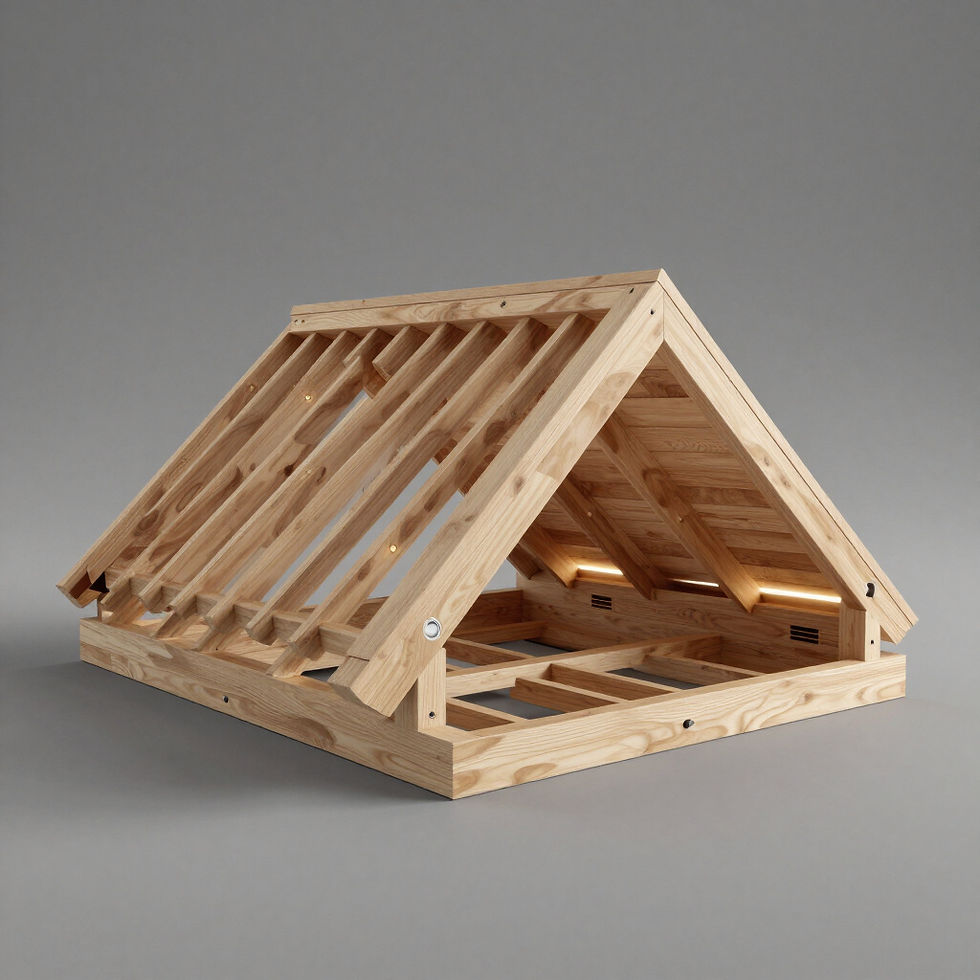
Heat and moisture can become trapped in an inadequately ventilated attic, leading to long-term structural issues. Howard Roofing designs systems that helps air move naturally through the attic, protecting your investment from the inside out.

How Roof Ventilation Works


INTAKE


COOLER AIR ENTERS
ATTIC FLOW
AIR EXITS
EXHAUST
A properly designed ventilation system helps move air through the attic. It depends on a delicate balance between intake and exhaust; if one is inadequate, the entire system fails to protect your roof and attic from heat and moisture buildup.
Part of a Complete Roofing System
Shingles, decking, insulation, and ventilation work together rather than functioning as unrelated pieces. At Howard Roofing, we ensure all components harmonize to maximize your roof's lifespan.
Warning Signs of Poor Ventilation

Excessive Attic Heat
Temperatures reaching dangerous levels that can bake shingles and stress cooling systems.

Trapped Moisture
Condensation building up in the attic space, leadings to damp insulation and rot risks.

Mold or Mildew Concerns
Visible dark spots or a musty odor indicating poor airflow and high attic humidity level.

Wood Deterioration
Softened roof decking or structural supports due to moisture-related rot and aging.

Premature Component Stress
Curling, cracking, or loss of granules caused by a roof that cannot cool itself properly.

Unbalanced Temperatures
Noticeable differences between floor levels making upper rooms uncomfortable to live in.

Not Sure How Your Attic Is Ventilated?
Don't leave your roof's health to guesswork. Schedule a professional assessment to ensure your ventilation system is protecting your home effectively.