Replacing gutters is an important investment that affects the long-term protection and performance of your home or commercial property. A properly functioning gutter system plays a major role in moisture control, drainage, and protecting the structural integrity of your property. Before scheduling a gutter replacement, it is important to understand several key factors that can help ensure your project delivers reliable, long-lasting results.
Assess the Current Condition of Your Gutters
Before committing to a complete gutter replacement, carefully evaluate the condition of your existing system. Look for signs of deterioration such as rust, sagging sections, separated joints, or recurring leaks. Gutters that pull away from the home or fascia boards showing signs of rot may indicate that moisture damage has already spread beyond the gutter system itself. In some cases, targeted repairs may resolve the issue, while more severe damage may require full replacement.
Understand the Connection Between Gutters and Roofing
Gutters play a critical role in protecting both commercial roofing and residential roofing systems. A properly functioning gutter system directs water away from the roof, siding, and foundation. When gutters fail, water can back up beneath roofing materials and create moisture-related issues such as leaks, mold growth, and structural deterioration. Excess water around the foundation can also lead to costly repairs over time. For this reason, gutters and roofing systems should always be inspected together, especially after severe weather conditions.
Evaluate Gutter Materials and Styles
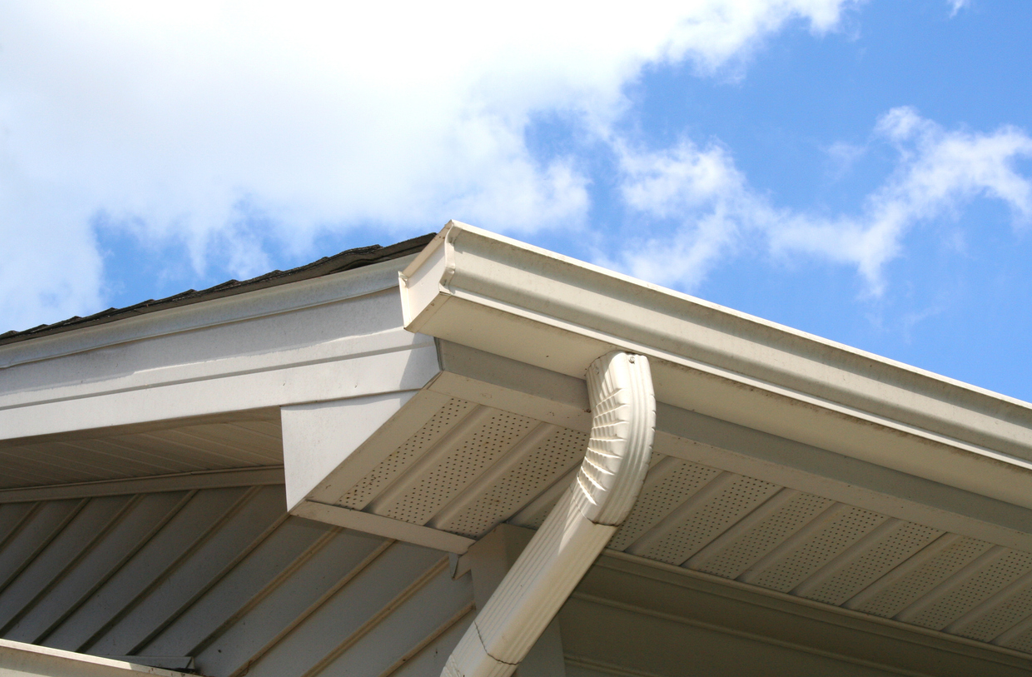
Choosing the right gutter material is essential for durability and long-term performance. Aluminum gutters remain a popular option because they are lightweight, affordable, and resistant to corrosion. Steel and copper gutters offer greater durability and longevity, making them attractive options for homeowners seeking a premium solution. Seamless gutters are often preferred because they reduce the likelihood of leaks and generally require less maintenance than sectional systems. Gutter guards can also help minimize debris buildup and reduce the need for frequent cleaning.
Factor in Building Codes and Professional Installation
Proper gutter installation requires attention to pitch, sizing, and placement to ensure effective water drainage. Incorrect installation can lead to water pooling, soil erosion, and foundation issues. Working with experienced professionals helps ensure your gutter system complies with building codes and performs as intended. Contractors with strong local experience are often better equipped to recommend solutions that match the design and drainage needs of your property.
Don’t Overlook Downspouts and Drainage
A gutter system is only as effective as its drainage design. Properly sized and positioned downspouts are essential for directing water safely away from the building. Without adequate drainage, water can collect around the foundation, causing landscape erosion, basement leaks, and standing water issues. Extensions and splash blocks may also be necessary to improve water flow and protect surrounding areas of the property.
Plan for Long-Term Maintenance and Roof Health
Even high-quality gutter systems require ongoing maintenance to perform effectively over time. Leaves, debris, and buildup can prevent proper drainage and place additional strain on gutters and roofing systems. Routine inspections and seasonal cleanings help extend the lifespan of both your gutters and roof while reducing the risk of expensive repairs in the future.
Contact Howard Roofing & Home Improvements in Arnold, MO
If you are planning a gutter replacement or have concerns about your roofing system, Howard Roofing & Home Improvements is here to help. Our experienced team provides professional solutions for gutter installation, commercial roofing, and residential roofing projects in Arnold, MO. Give us a call at (636) 296-1057 or fill out our contact form to get started.