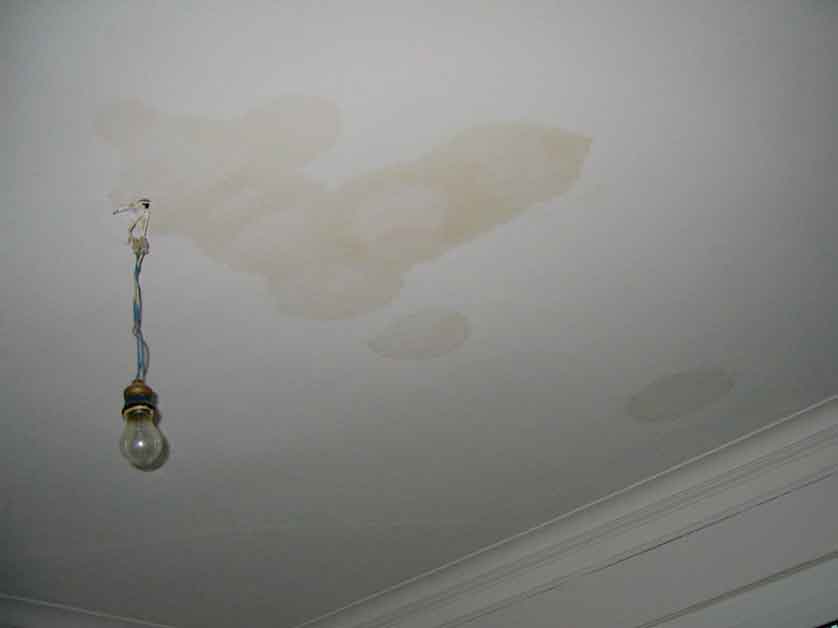
When you spot water stains on your ceiling or walls, it’s easy to assume that your roof must be leaking, especially in a climate with sudden storms and humid summers. However, not all interior water issues originate from damaged shingles or flashing. Condensation can be just as problematic, particularly for homeowners and businesses seeking reliable roofing solutions. Knowing how to distinguish between a roof leak and condensation is essential for making the right decision about roof repairs, and it can help you protect your investment year-round.
Understanding Roof Leaks and Why They Happen
Roof leaks usually occur when water from rain, snow, or ice finds its way past your roof’s protective barriers. Roof leaks can develop after heavy spring storms or during winter thaw cycles when ice dams form along roof edges. Typical causes include:
- Damaged, missing, or aging shingles
- Faulty flashing or seals around vents and chimneys
- Clogged or poorly maintained gutters that allow water to back up beneath the roofline
For both residential roofing and commercial roofing, untreated roof leaks can allow water to infiltrate the structure, leading to mold, wood rot, and costly structural repairs.
Identifying Condensation Issues
Condensation is caused by excess moisture inside your home or building coming into contact with cold surfaces, most commonly in attics or beneath flat commercial roofs. Seasonal humidity and fluctuating temperatures can make properties especially vulnerable to this issue. Signs of condensation include:
- Water droplets forming on cold surfaces, such as pipes or the underside of the roof deck
- Damp insulation without a visible water source
- A musty odor, indicating trapped moisture within the building
Condensation often results from inadequate attic ventilation, missing vapor barriers, or insufficient insulation that allows warm, moist air to meet cooler surfaces.
Key Differences Between Roof Leaks and Condensation
Distinguishing between a roof leak and condensation requires careful observation:
- Timing: If moisture or staining appears only after rainfall or melting snow, a roof leak is the more likely cause. Condensation typically develops during extended periods of cold weather when indoor moisture accumulates and contacts cooler roof surfaces.
- Pattern: A single, localized stain usually indicates a roof leak, while condensation tends to affect larger areas throughout the attic or ceiling.
- Inspection: Roof leaks often reveal deteriorated, curled, or missing shingles. With condensation, you are more likely to find damp insulation or water droplets on pipes without obvious signs of roofing material failure.
Howard Roofing & Home Improvements uses these indicators during professional inspections to identify the source of the problem and recommend the most effective repair or moisture control solution.
How to Prevent Roof Leaks and Condensation
Prevention starts with regular maintenance and awareness of seasonal weather conditions.
- Schedule annual roof inspections to identify potential leaks early and repair damaged shingles or flashing.
- Improve attic insulation and ensure proper roof ventilation to control heat and humidity.
- For commercial properties, keep roof drains clear and inspect roofing membranes regularly to prevent standing water and leaks.
- Reduce indoor humidity by using bathroom exhaust fans, sealing ductwork, and installing a vapor barrier when appropriate.
Taking these proactive steps can help prevent both roof leaks and condensation while extending the life of your roofing system.
Get Help from a Local Roofing Professional
Whether you’re dealing with a roof leak or persistent attic condensation, Howard Roofing & Home Improvements provides expert solutions for residential and commercial roofing. Our team understands the unique weather challenges faced by property owners in Arnold, MO, and we provide comprehensive inspections, targeted repairs, and guidance to ensure your roof and home stay protected during every season. Reach out today at (636) 296-1057 or fill out our contact form to schedule a professional assessment and keep your property dry and secure.